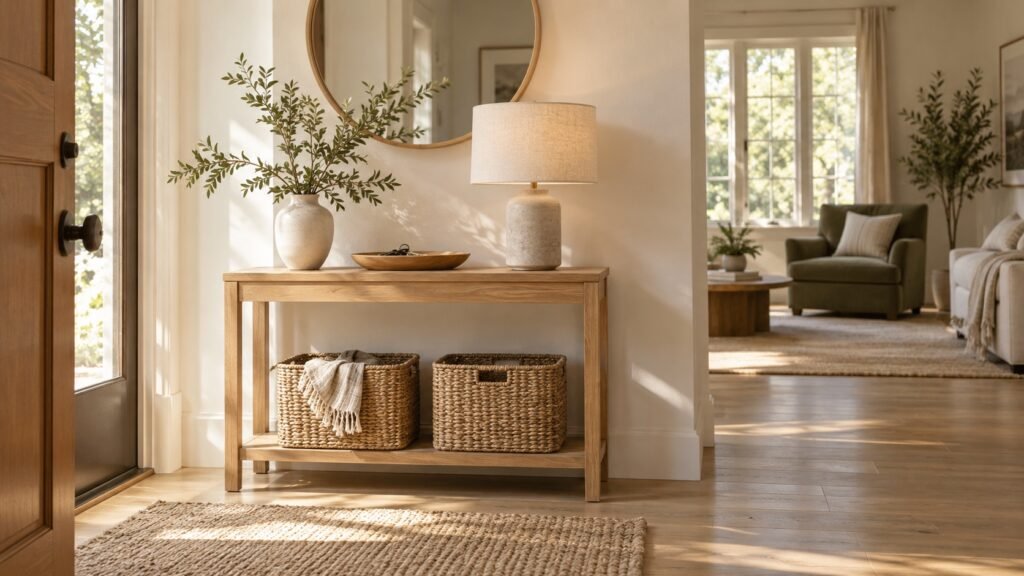
An entryway gets crowded when everything arriving at the door finds a temporary place but no route onward. Shoes, mail and small accessories need different homes. Some belong near the entrance; others should move to another room after the first stop. Create a return routine that distinguishes those two jobs before adding another basket to the doorway.
Follow one arrival from start to finish
Imagine coming home with the items you normally carry. Note where shoes are removed, where a coat or bag goes and where incoming papers land. Leave the door movement and walkway clear. A storage piece should support that sequence without making someone step around it to enter.
Choose which items truly stay near the door. Daily shoes and suitable small accessories may need permanent homes, while mail usually needs review elsewhere. Give the temporary group a clear boundary so it does not spread across the bench or top shelf.
Use pockets for a defined small group
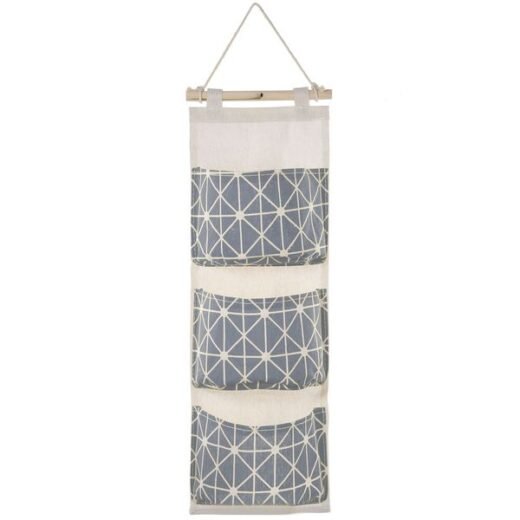
The three-pocket hanging fabric organizer combines linen and cotton fabric with a wooden support. Check the pocket openings against the intended belongings and hang it according to suitable product and fixture guidance. Keep the contents recognizable instead of using each pocket for a different kind of miscellaneous overflow.
Position the organizer where reaching it does not interfere with the door or another hanging item. A pocket is useful only when the object fits comfortably and can be removed without unloading its neighbors. Assign each pocket a practical group if more than one person uses it.
Plan hooks around hanging clearance
The wall-mounted coat rack with a shelf and six hooks is listed at 31.5 by 5.5 by 8 inches. It has pre-drilled mounting holes and listed mounting hardware, with assembly required. Use wall fixings appropriate to the surface and follow installation and loading instructions.
Choose a mounting height suited to the items and users. Include the full length of a coat or bag, not just the rack’s body. Keep hanging items from resting across the shoe-storage doors or projecting into the normal walkway.
Give footwear a return position
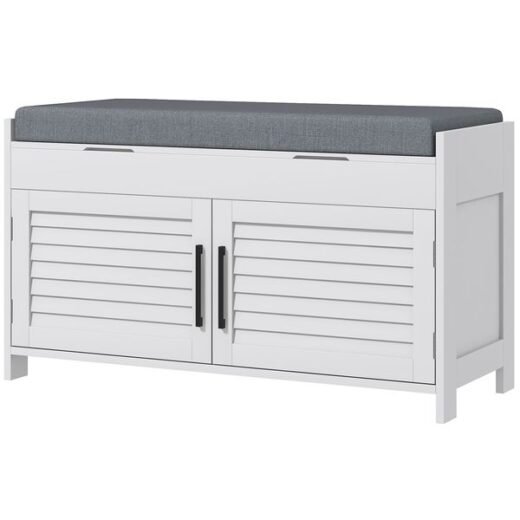
The cushioned shoe storage bench with shutter doors combines a removable-cover cushion, two shallow hidden top compartments and lower cabinets with adjustable middle shelves. Its overall size is 35.4 inches wide, 14.2 inches deep and 19.7 inches high. Each lower cabinet is listed at 16.7 inches wide, 13 inches deep and 12 inches high.
Compare footwear with the usable openings and allow the doors to open. Follow the assembly and use instructions. Small top compartments should hold suitable defined belongings rather than becoming the place for every item emptied from pockets.
Make incoming papers a temporary status
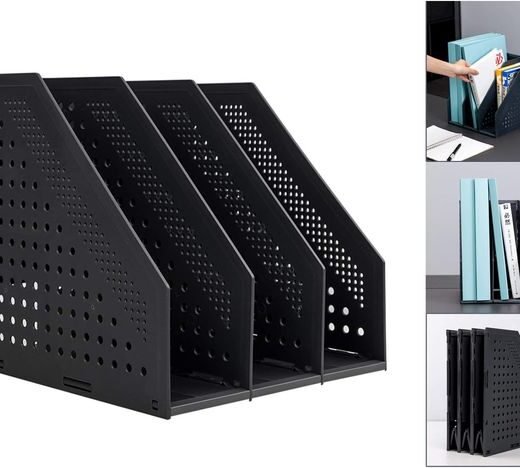
A three-compartment magazine file organizer can give appropriately sized papers an upright first stop. Check paper or folder height and depth, and choose a level surface. Keep confidential or restricted information in a storage arrangement appropriate for your needs rather than assuming an open file is suitable.
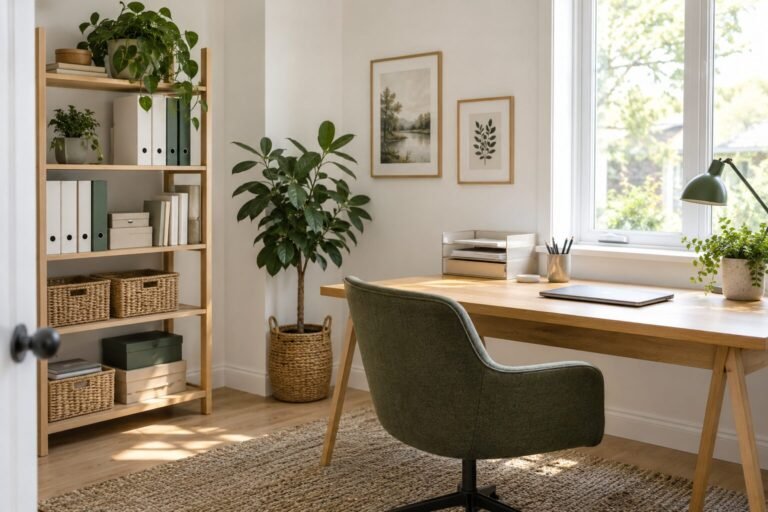
The home office paper-system guide explains how Incoming moves to Active or Archive after review. Use that distinction so the entryway file does not become a permanent collection of unread papers.
Define the short return routine
At a regular point in the day, return shoes to their group, hang the daily items and move the temporary papers onward. Take belongings that live in other rooms with you rather than adding another container for them by the door.
The entryway drop-zone guide helps plan the wider layout. In entryway storage, the routine matters as much as the furniture. Finish by removing the group that has no reason to stay at the entrance. A clear first stop and an obvious onward route keep the doorway from becoming the household’s default storage room.
About these guides: RoomSprig uses AI-assisted writing and supplier product information to explain storage choices. Check the selected version, measurements and installation details on the individual product page.